This blog post is a continuation of my recent blog post The Delicious Foods I ate in San Luis Potosí during Christmas published on October 2020.
As I mentioned on my last blog post, last year we had the opportunity to visit my birthplace, San Luis Potosí. We visited many places I yearned to see, but what we really enjoyed the most was the food.
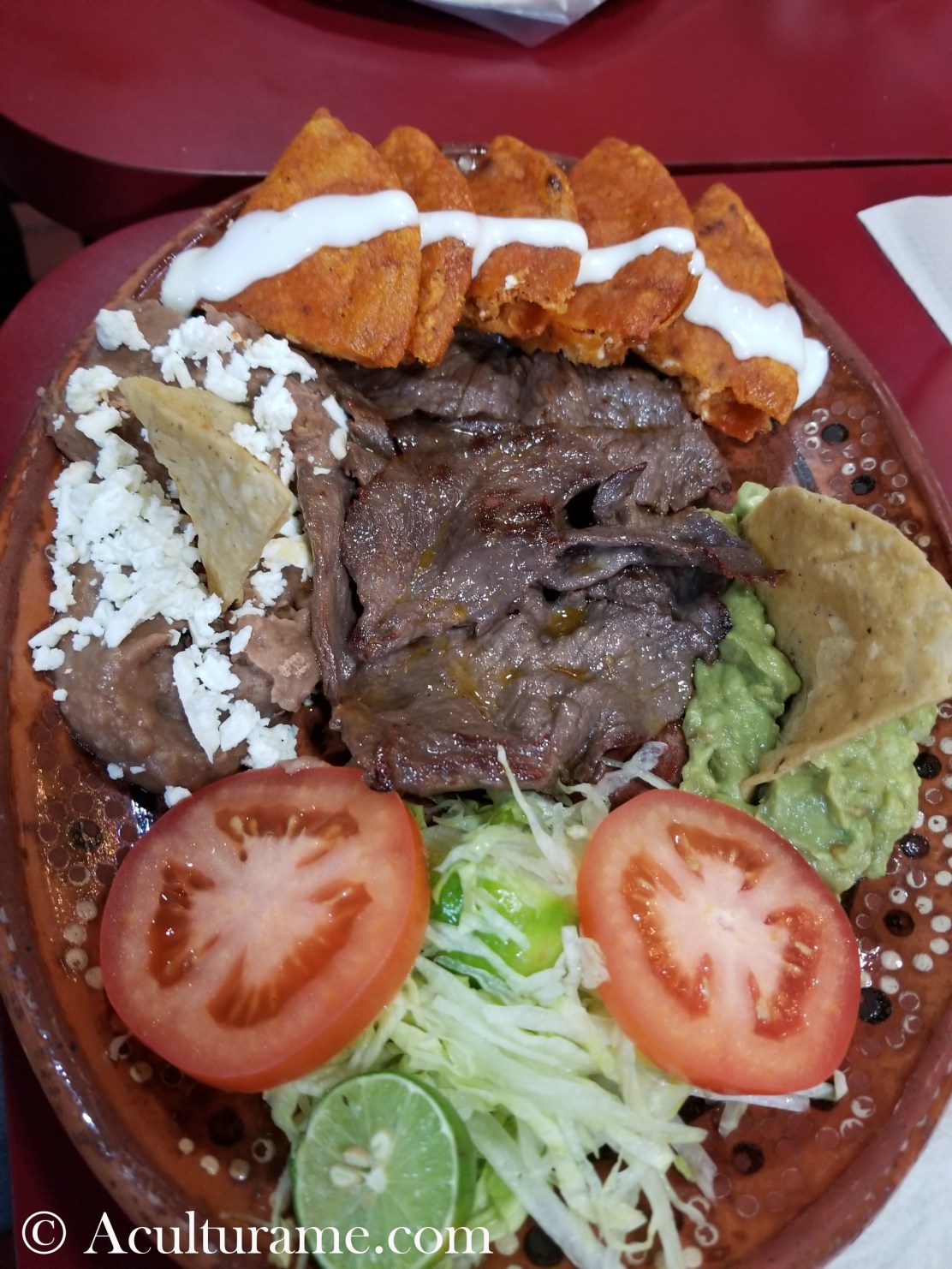
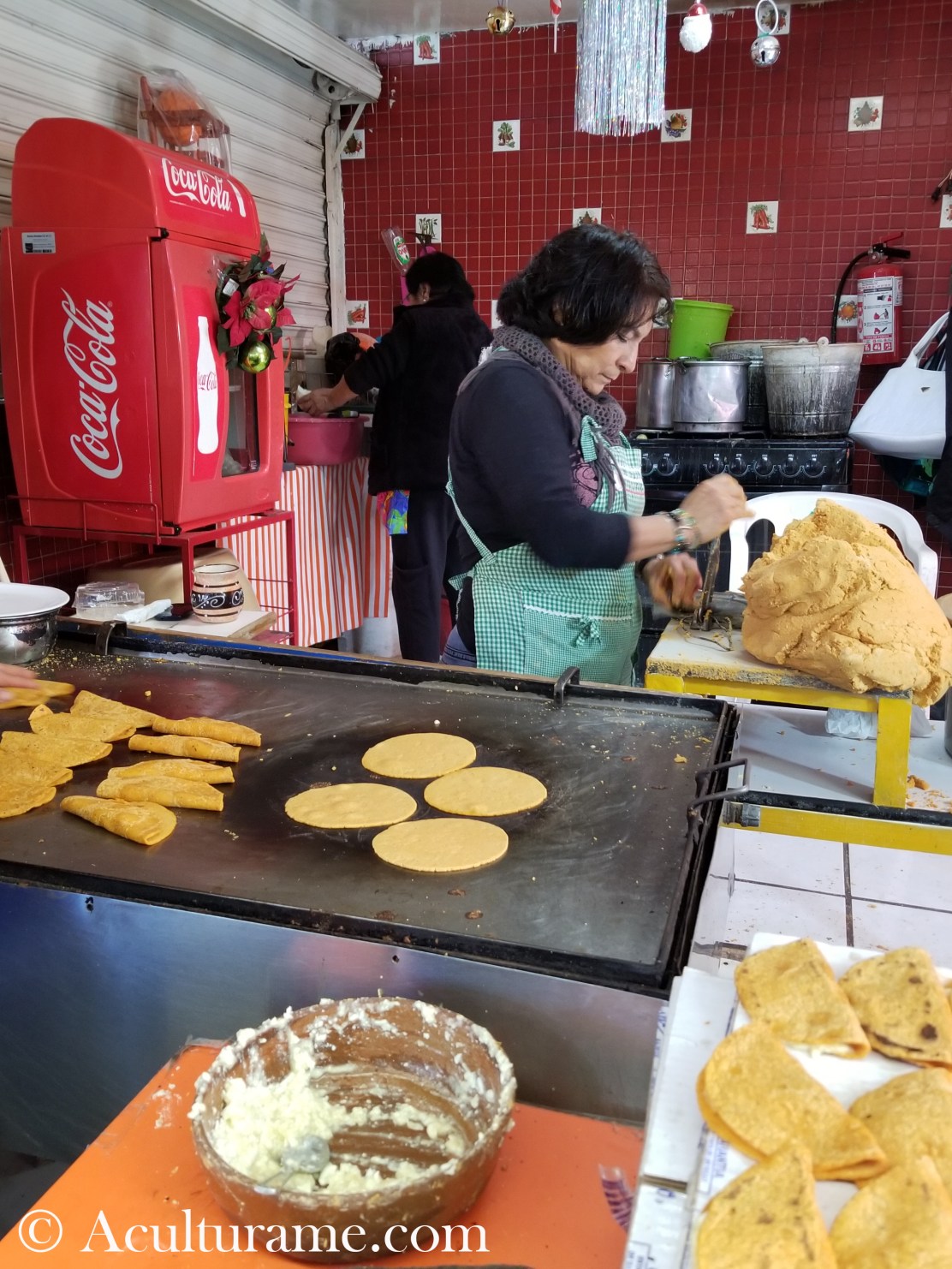
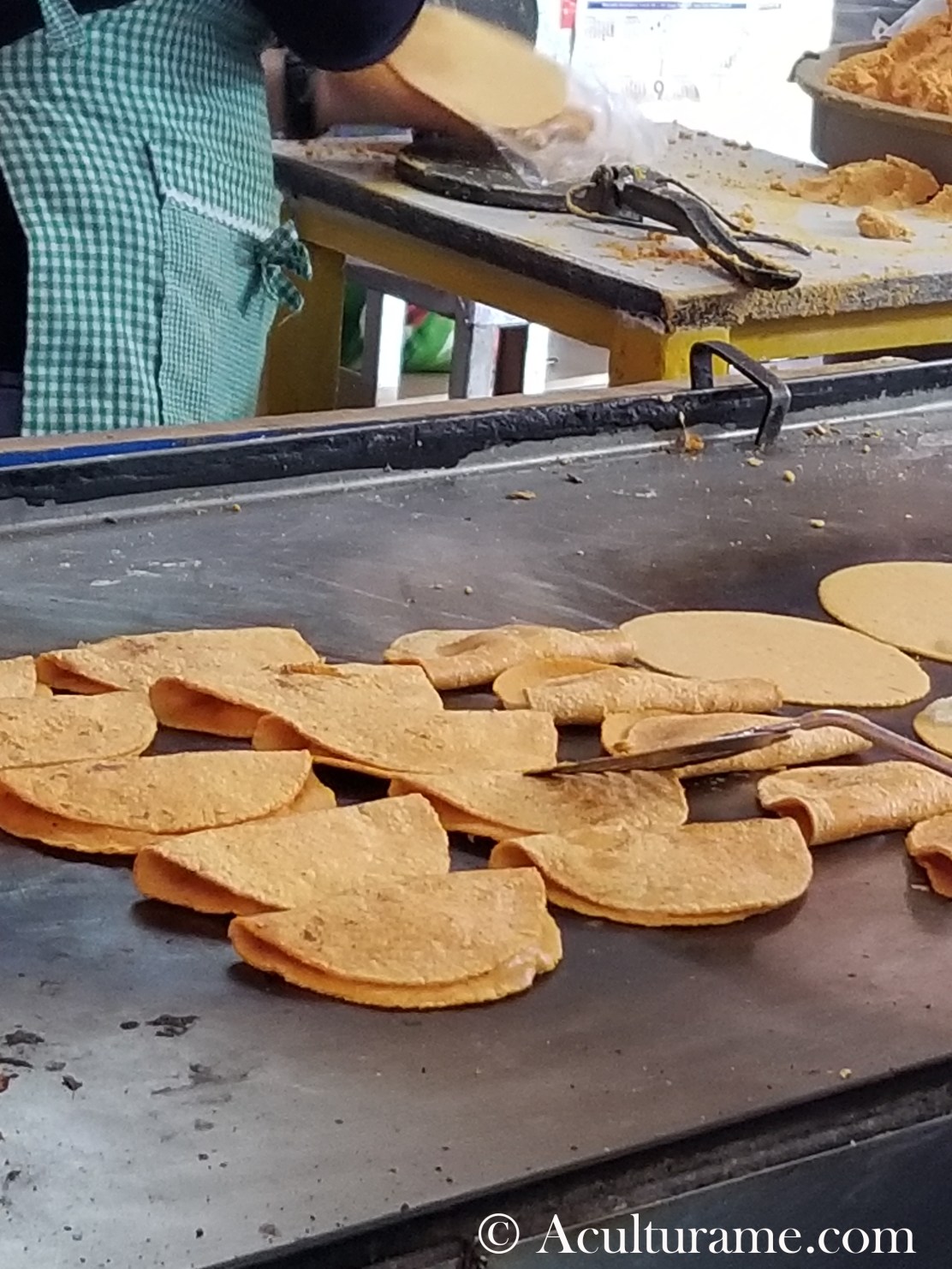
I would first like to share with you about one of my favorite dishes from San Luis Potosí. One of the first things I wanted to eat as soon as I arrived to Mexico was enchiladas potosinas. Enchiladas potosinas are very different from the Mexican enchiladas we know in the U.S. Enchiladas potosinas are made like quesadillas, they are homemade small tortillas made with ground corn masa and chile or chilli pepper in order to obtain that reddish color. Then they are filled with your favorite cheese, most cooks use fresh Mexican cheese such as queso cotija, queso de leche de cabra or queso fresco, which are all cheeses made from goat’s milk and a little bit of chile is added for flavor. If you are not a big fan of goat’s cheese, cooks can add other types of cheeses made from cow’s milk.
Once the enchiladas are cooked in the comal, they can be let out to dry before they can be fried in hot oil and then accompanied with refried beans, avocado slices, or your favorite side dish. I like to eat mine with guacamole and refried beans. The place where I went to eat them in San Luis Potosí is a famous restaurant in Historic Downtown of SLP called Las Delicias, which is located in Plaza del Carmen in San Luis Potosí. This is by far, one of my favorite restaurants in San Luis Potosí, the food is very authentic, it’s a small family restaurant, and they have been around for more than a hundred years.
Another place where one can find delicious homemade enchiladas potosinas is at Mercado República. Mercado República, is a famous food market close to the Historic Downtown of San Luis Potosí where people go to purchase food and gifts for las Posadas, Christmas Eve, and New Year’s Eve celebrations. It is here at this place where you can find the best homemade enchiladas. As soon as you enter this market, you’ll see stands of women preparing delicious enchiladas potosinas from scratch.
One of the things I wanted to do in Mexico was to learn to cook certain dishes my grandmother used to make when I was a kid. One of those dishes was chilaquiles rojos and chilaquiles verdes – red chilaquiles and green chilaquiles respectively. My grandmother preferred red chilaquiles.
One late Sunday, my cousin decided to prepare green chilaquiles for a Sunday brunch. Chilaquiles verdes is a traditional Mexican peasant dish made with fried tortillas with green or red salsa until tender. Then depending on what you have on hand, leftovers like chicken or shredded beef from last night’s dinner are added to the chilaquiles, finish it with some sprinkled savory cheese such as Feta cheese, goat cheese, or Mexican queso fresco.
First my cousin made a green salsa and that’s what she used to make the chilaquiles verdes, she then made black refried beans for a side dish, and added a fried egg on top of the chilaquiles verdes. This is the perfect dish for a Sunday late brunch, very typical in Mexico.
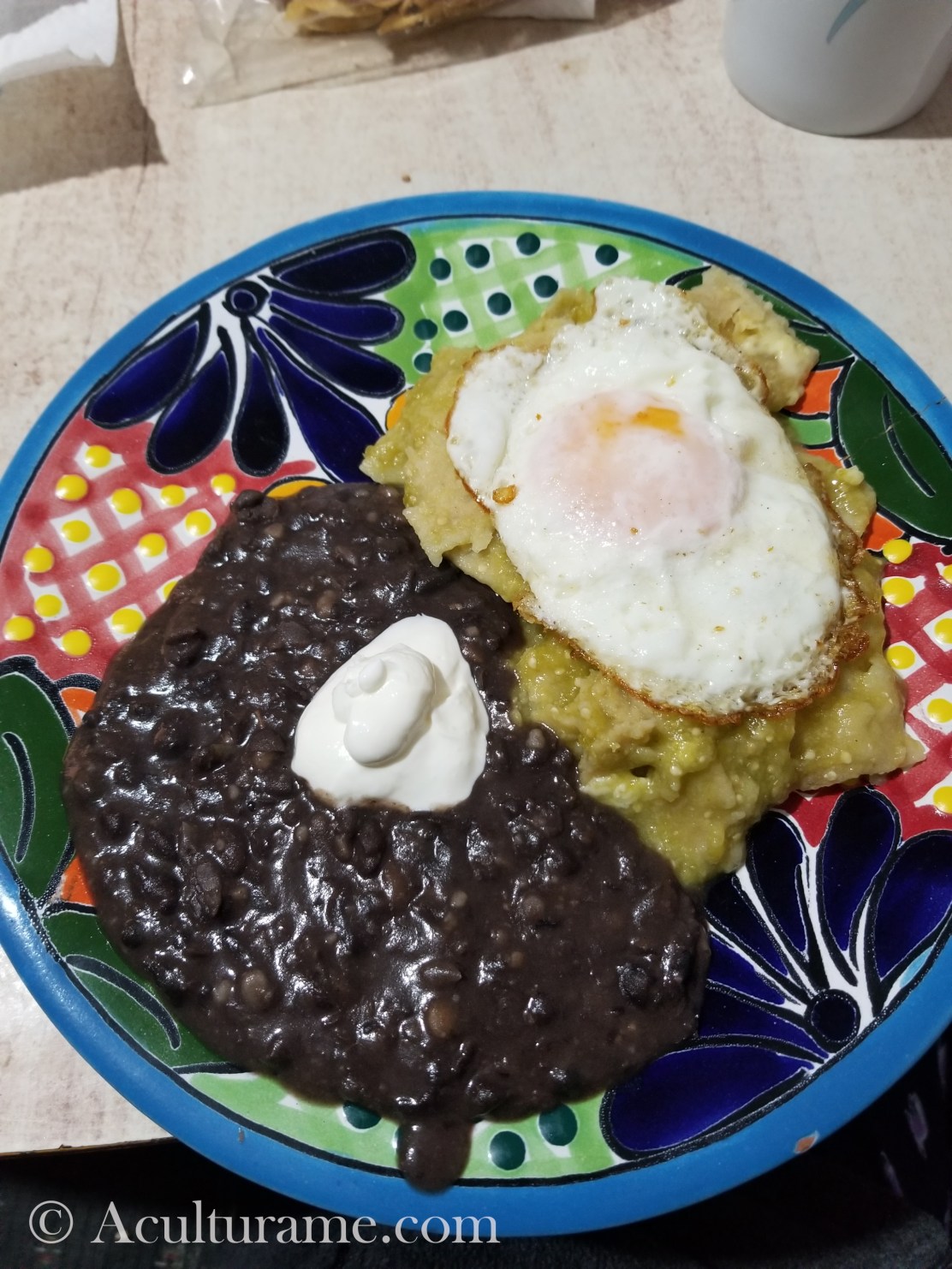
As soon as I came home, I replicated the same dish my cousin made in Mexico, since I had left- over rotisserie chicken from the night before, I added chicken to my chilaquiles verdes. Added some shredded cheese and made some refried beans to go with the chilaquiles verdes. It turned out delicious and heartwarming. It brought back good memories from last Christmas in Mexico.
During a Sunday night, while reminiscing our childhood memories with my cousins, I learned to make the delicious and famous Michelada; a famous Mexican drink popular among young people. One of my cousins knew how to prepare Micheladas and I quickly became indoctrinated into the art of making this delicious beloved Mexican drink.
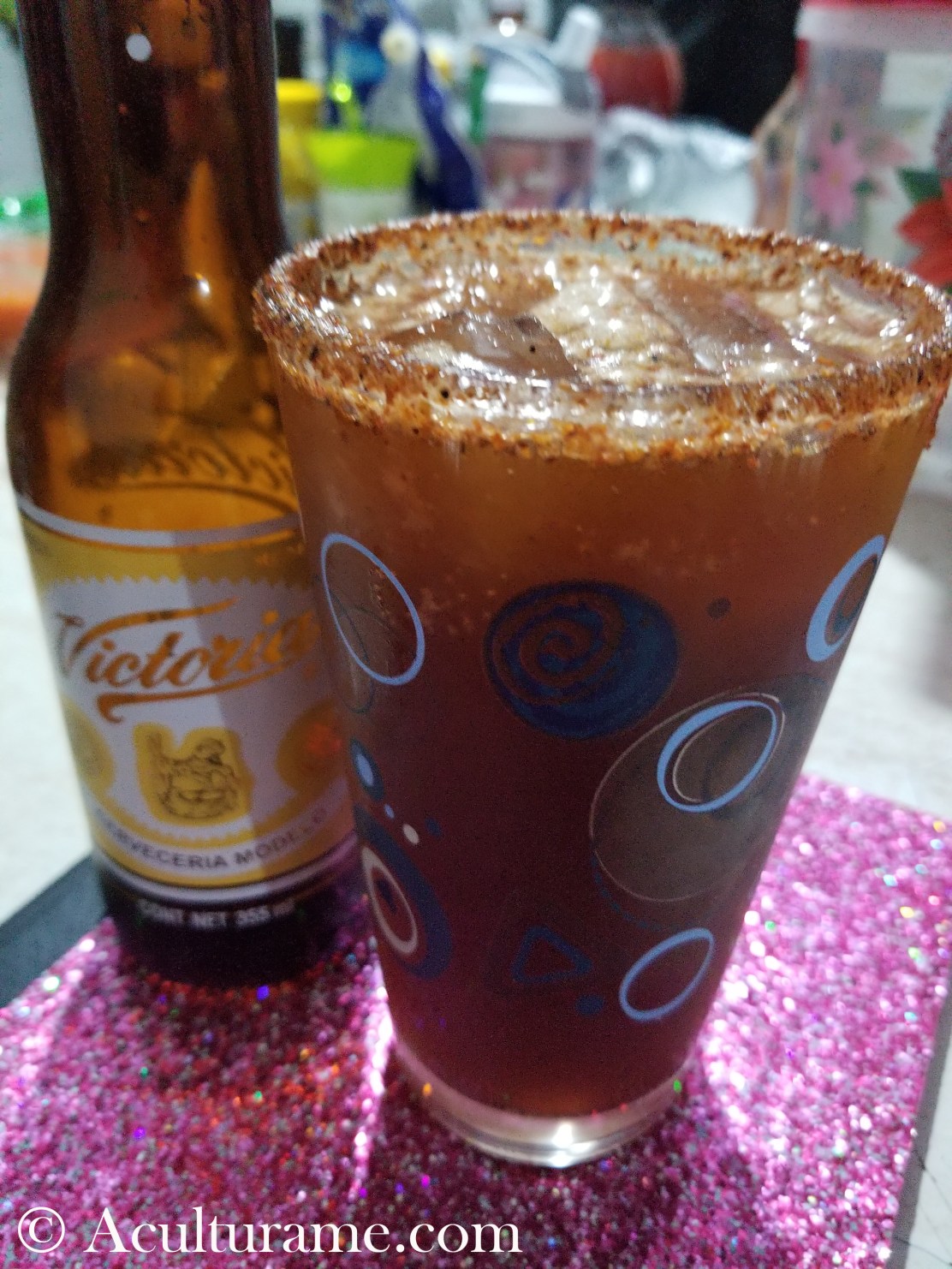
A Michelada is a popular drink from Mexico, it is said to actually been invented in San Luis Potosí, at Club Deportivo Potosino to be exact. A name named Michel Ésper who regularly attended this sport club, used to order a beer with lime, salt, ice, and a straw, in a special cup called a chabela. Other members of the sports club began to ask for the same beer drink and then later on other sauces were added to the original recipe.
An original Michelada usually calls for a light beer such as Corona, Modelo, or any light beer, a mixture of different sauces, which have a spicy flavor such as Worcestershire sauce, Tajín Clásico (Mexican chili powder), and hot sauce. It is served in a chilled, salt-rimmed glass. Salt, lime juice, and tomato juice is added as well. Many people have their own “secret recipe” for Michelada, but these are the main ingredients that make a classic Michelada.
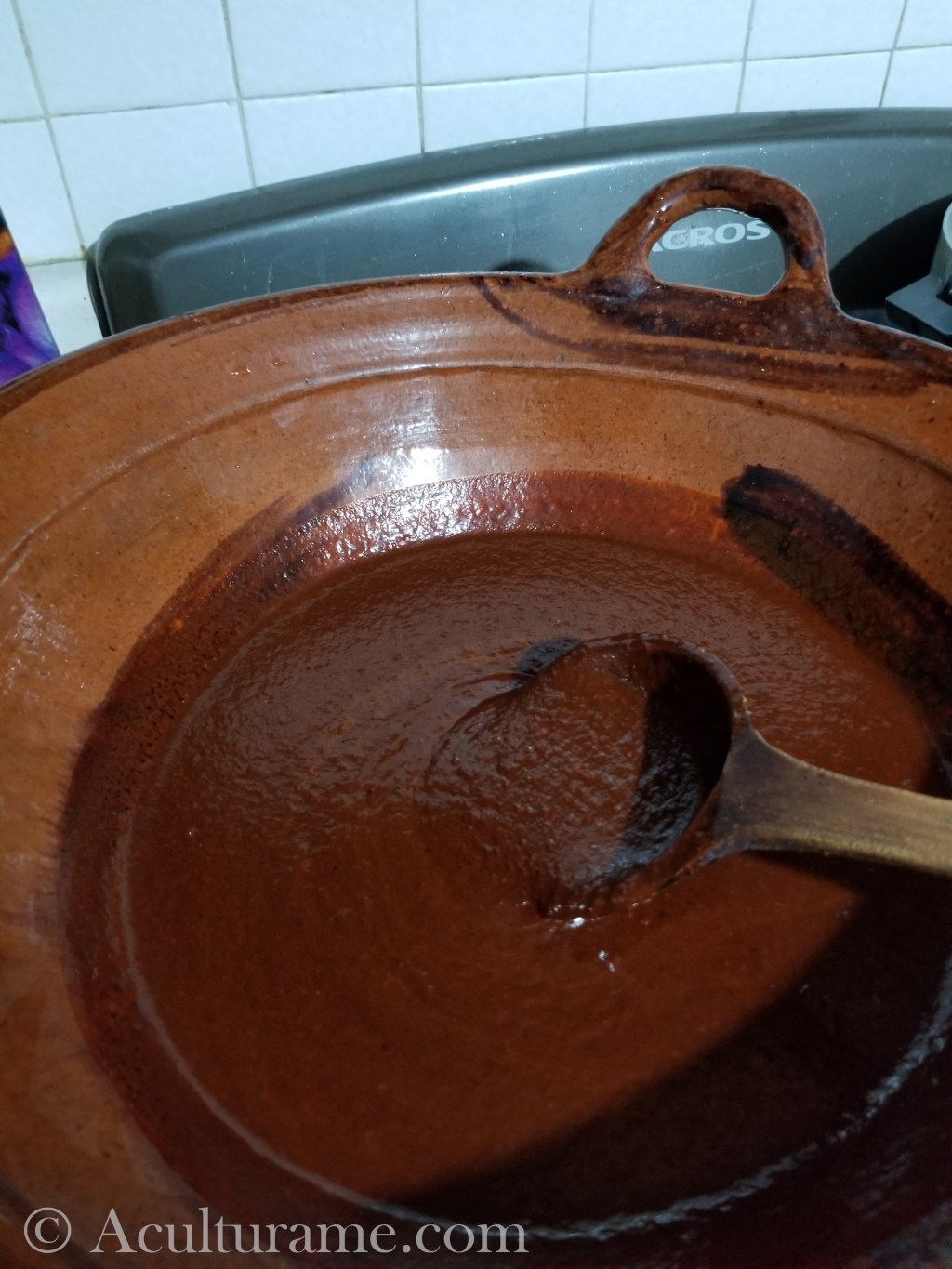
As I mentioned before, part of the reason for my trip to San Luis Potosí was to learn some of my grandmother’s dishes, the one I was very eagerly to learn to prepare was her famous Mexican mole. Mole was my grandmother’s most beloved dish.
Mole has a special place in my heart, when I was little, I didn’t really care for mole, I didn’t hate it, but I wasn’t thrilled as other adults were about my grandmother’s mole. When I was a kid, I didn’t understand why adults made a big deal about eating mole, why they loved it so much. Even when my mother began to prepare it after moving to the U.S., I was not too thrilled about mole. I would eat it, but it wasn’t something that I would crave enough to ask my mom to make it for me.
Mole was not a big deal until my grandmother passed away five years ago. My grandmother’s passing was a very painful experience for me. The first thing I wanted to do as a way to cope with the loss of my grandmother was to prepare mole, as close as she used to make it.
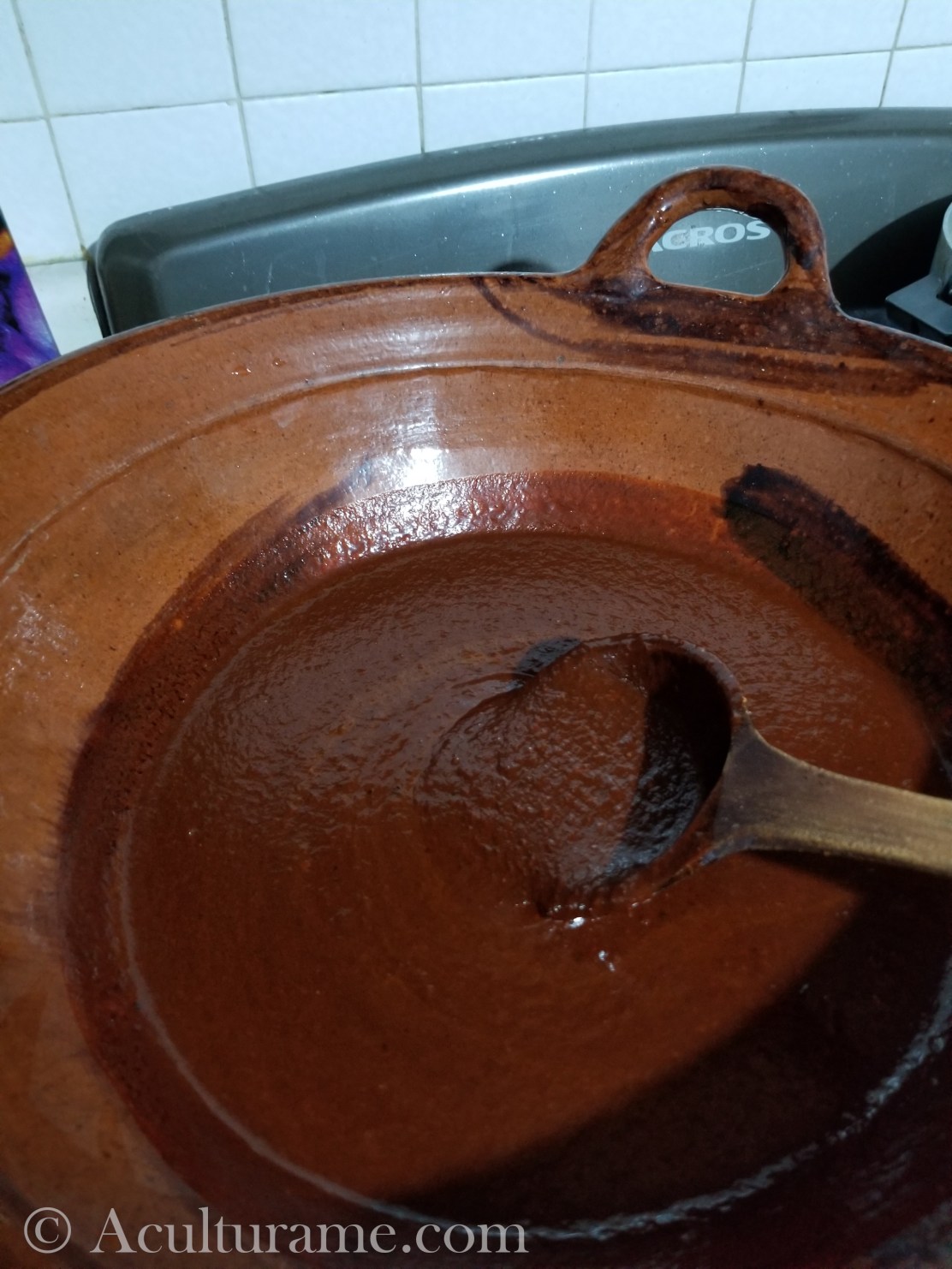
I had no idea how to make mole, I had never tried making this elaborate Mexican dish in my life, but I went on a journey to learn how to make this dish. I consulted my mom first, then I decided to call my aunt who lived in Mexico and took care of my grandmother before she passed away. She gave me the recipe and combined with my mom’s recipe; I prepared my first mole.
Four years later since the passing of my grandmother, I find myself going back to one of my hometowns, San Luis Potosthe place where I was born and where my grandmother lived, to prepare my grandmother’s beloved dish with the help of my aunt who learned to make it right next to my grandmother when she was alive.
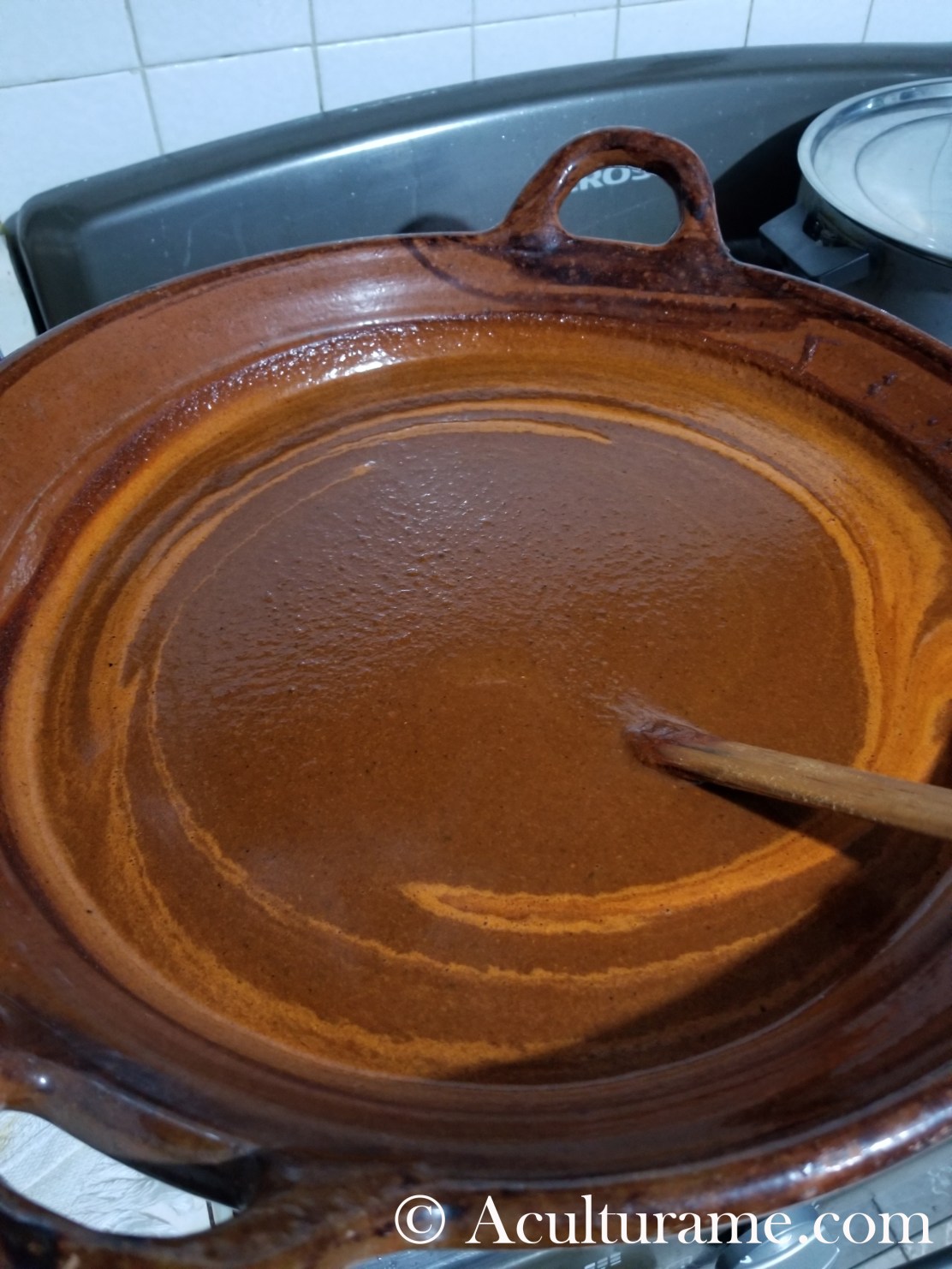

I was delighted to be able to prepare this dish at my grandmother’s house, using the same clay pot and wooden spoon she used to make her own mole. I spent a nice afternoon with my aunt and cousin who shared with me stories of my grandmother and the special ingredients she used to put in her mole.
This experience was helpful in the grieving of my grandmother, I realized that cooking is a way to keep her memory alive and a way to keep in touch with the family and country I left behind.
One of the things we did on the last days before leaving San Luis Potosí was partaking in the cutting of the Rosca de Reyes.
Rosca de Reyes is a traditional bread that is enjoyed with family and friends on Epiphany Day or Three Kings’ Day. Every year on January 6th, Mexicans and other Hispanic communities hold a special gathering with families and friends to partake in the celebration of Día de los Reyes Day by cutting a slice of the Rosca de Reyes.
Last year we had the opportunity to spend this special day in San Luis Potosí, we visited the Centro Histórico or Historic Downtown and witnessed one of the largest Rosca de Reyes or King cake displayed at the Plaza de Armas, a famous plaza in this city.
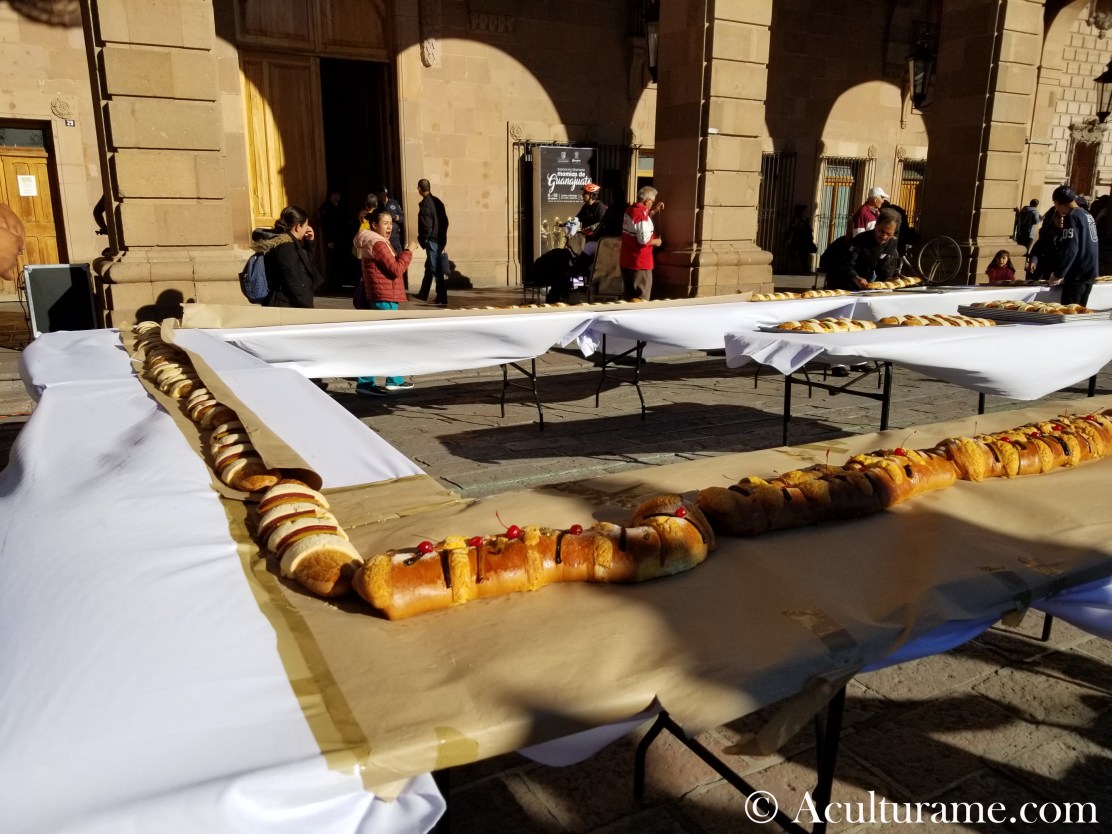
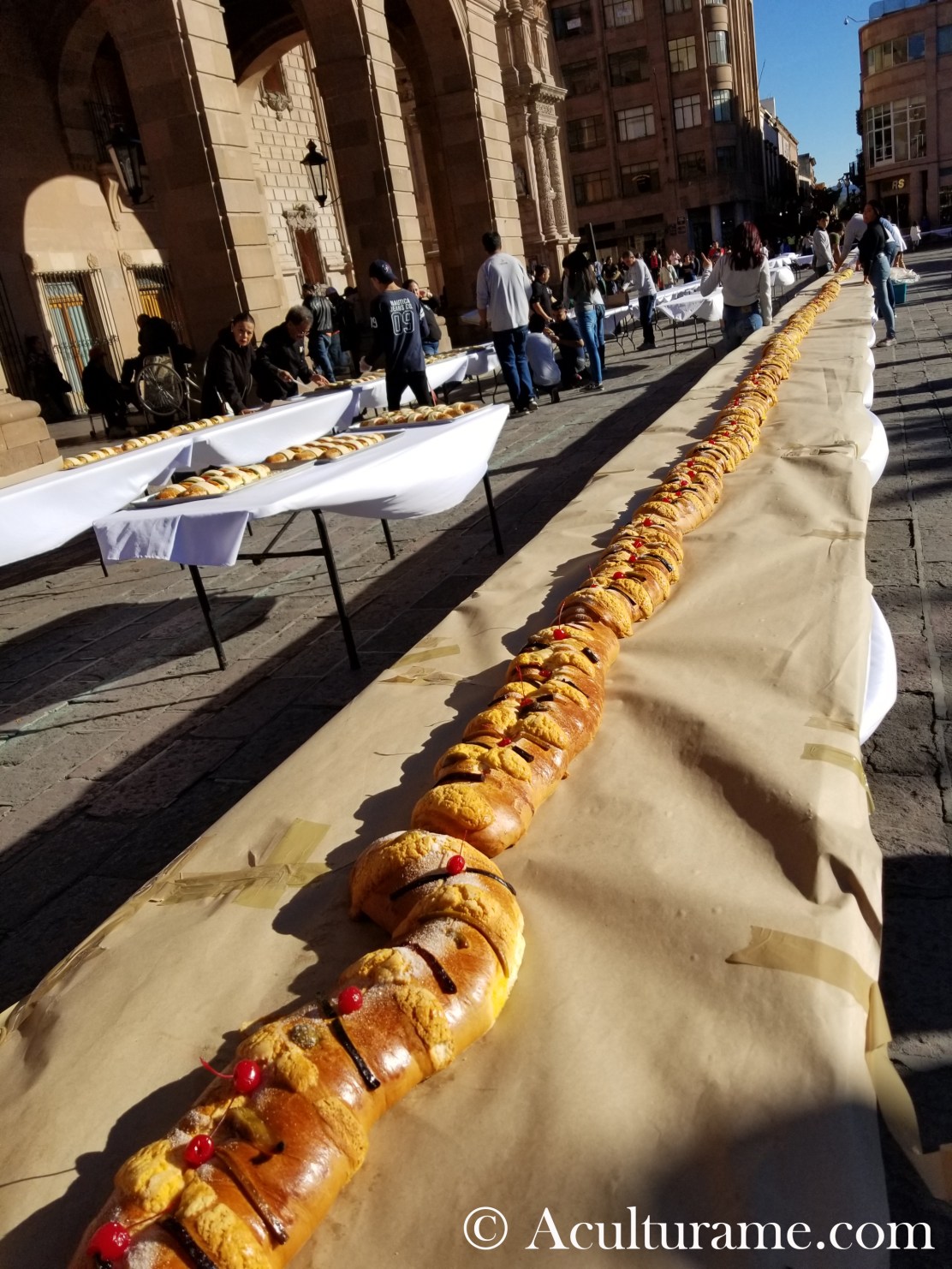
I will write more about this special holiday on one of my future posts.
In the meantime, I will share with you some pictures of my grandmother’s chilaquiles verdes I prepare after coming back from Mexico.
Merry Christmas 2020 and wish you a very peaceful and healthy year 2021!


 Aculturame
Leave a reply to Roger Camargo Cancel reply